High in the remote mountains of the Himalayas, where barren cliffs meet vast valleys and winter transforms the landscape into a world of snow and silence, lives one of the world’s most elusive big cats—the snow leopard.
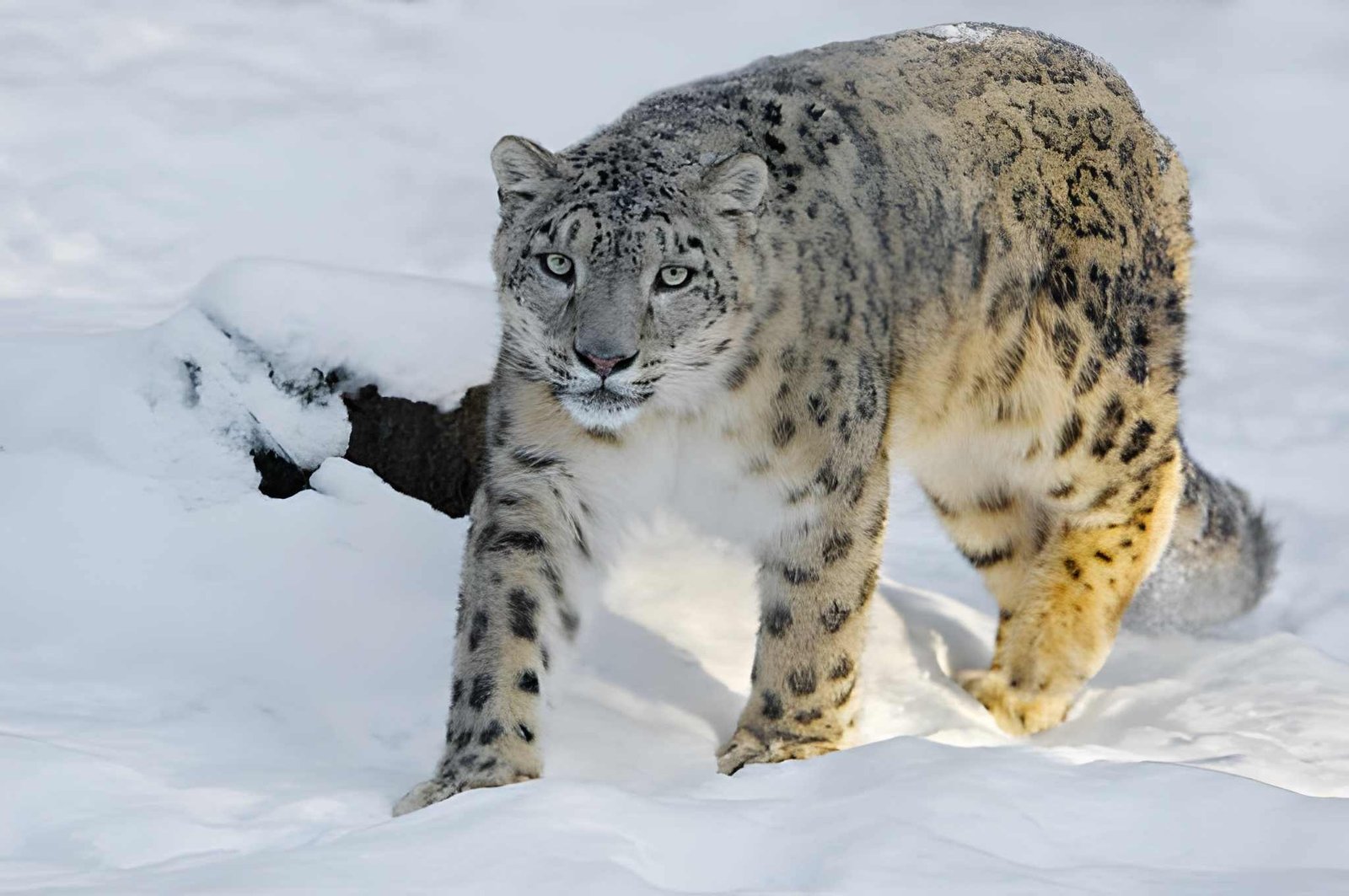
Often called the “Ghost of the Mountains,” the snow leopard is exceptionally well adapted to the harsh high-altitude environment of Ladakh. With its thick fur, powerful limbs, long tail and remarkable camouflage, it can move almost invisibly across rocky slopes.
Today, Ladakh is officially recognised as the Snow Leopard Capital of the World in the Union Territory’s wildlife-tourism regulations. The region has supported organised snow leopard sightings and wildlife tours for more than three decades.
More importantly, the latest Snow Leopard Population Assessment in India (SPAI) 2024 estimates 718 snow leopards in India, of which approximately 477 are in Ladakh—the highest population among Indian regions surveyed.
For travellers who already know Ladakh through motorcycles, mountain passes and high-altitude lakes, snow leopard tourism offers an entirely different reason to explore the region.
Whether you are researching Ladakh Bike Trip Packages, planning a wildlife expedition or looking for customised Leh Ladakh Packages, understanding Ladakh’s wilderness can help you plan a more meaningful Himalayan journey.
Quick Details About the Snow Leopard Capital
| Detail | Information |
| Destination | Ladakh, India |
| Known as | Snow Leopard Capital of the World |
| Snow Leopard in India | Estimated 718 |
| Snow Leopards in Ladakh | Approximately 477 |
| Scientific Name | Panthera uncia |
| Local Significance | State Animal of Ladakh |
| Best Snow Leopard Season | Mainly November to April |
| Major Habitat | High-altitude mountains and valleys |
| Important Protected Areas | Hemis National Park, Changthang Wildlife Sanctuary, Karakoram Wildlife Sanctuary |
| Wildlife Experience | Tracking, spotting, photography and nature observation |
The Ladakh government describes the region as a core snow leopard habitat and reports that the latest population estimate of 477 in Ladakh is substantially higher than earlier estimates of 250–350.
Why Are Snow Leopards So Rare?
Seeing a snow leopard is considered one of the most challenging wildlife experiences in Asia.
But why are these magnificent cats so difficult to find?
Exceptional Camouflage
The snow leopard’s pale grey coat covered with dark rosettes blends remarkably well with the rocky terrain of the Himalayas.
A leopard can potentially be only a short distance away while remaining almost impossible to distinguish from rocks and shadows.
Remote Habitat
Snow leopards generally inhabit rugged mountain landscapes at high elevations. Their habitat is difficult to access, particularly during winter.
This naturally limits both human access and wildlife observation.
Solitary Behaviour
Unlike many social animals, adult snow leopards generally live solitary lives. Their enormous home ranges mean that population density is naturally low.
Excellent Climbers
Their large paws, powerful legs and long tails allow them to navigate steep mountain slopes with remarkable agility.
Natural Avoidance of Humans
Snow leopards are elusive animals and tend to avoid human presence. This makes sightings unpredictable.
That is why a genuine snow leopard expedition is very different from visiting a conventional wildlife park.
There is no guaranteed sighting. The search itself is part of the experience.
Snow Leopard Population in India
The Snow Leopard Population Assessment in India (SPAI) Report 2024 was India’s first scientific assessment of the country’s snow leopard population.
The assessment estimated a total of 718 snow leopards across India.
The estimated regional distribution is:
- Ladakh – 477
- Uttarakhand – 124
- Himachal Pradesh – 51
- Arunachal Pradesh – 36
- Sikkim – 21
- Jammu & Kashmir – 9
These figures make Ladakh India’s most important snow leopard landscape by population estimate.
The significance goes beyond numbers.
The snow leopard is recognised as the State Animal of Ladakh, and its conservation is closely connected with maintaining the ecological balance of the region’s high-altitude environment.
The Ladakh administration’s wildlife-tourism guidelines also note that the 718 animals estimated in India represent approximately 10–15% of the global snow leopard population.
Why Is Ladakh the Perfect Home for Snow Leopards?
Ladakh might look barren at first glance, but its cold-desert ecosystem supports an impressive network of wildlife.
The region offers exactly the type of landscape snow leopards have evolved to survive in:
High-Altitude Mountains
Ladakh’s rugged mountains provide steep slopes, cliffs and rocky terrain ideal for hunting and shelter.
Abundant Prey
Species such as Himalayan ibex and blue sheep form an important part of the high-altitude food web.
Ladakh’s wildlife regulations also list species including Himalayan ibex, blue sheep, Tibetan wild ass, Tibetan argali and other high-altitude mammals.
Cold and Dry Climate
The snow leopard’s thick coat and specialised physiology allow it to survive extremely cold conditions.
Vast Undisturbed Landscapes
Large areas of Ladakh remain sparsely populated, providing wildlife with extensive natural habitat.
Protected Areas
Ladakh has several important protected areas, including:
- Hemis High Altitude National Park
- Changthang High Altitude Wildlife Sanctuary
- Karakoram (Nubra-Shayok) Wildlife Sanctuary
The Forest, Ecology & Environment Department identifies these protected areas as important high-altitude habitats supporting globally significant biodiversity.
Best Time to See Snow Leopards in Ladakh
If your primary goal is to see a snow leopard, winter is the season to consider.
According to Ladakh’s official wildlife-tour regulations, snow leopard tours primarily operate from November through April.
Ladakh Tourism currently highlights October to March as the main snow leopard wildlife season.
Why Winter?
Winter creates particularly favourable conditions for snow leopard tracking.
As temperatures drop and snow covers higher elevations, prey animals may move through more accessible areas, giving experienced local trackers better opportunities to identify signs and potential sightings.
However, winter also brings challenges:
- Extremely low temperatures
- Snow-covered trails
- Difficult road conditions
- Limited accommodation in remote areas
- Shorter daylight hours
- Greater dependence on local guides and support
Therefore, a winter snow leopard trip requires considerably more preparation than a standard summer holiday.
Best Locations in Ladakh to Spot Snow Leopards
Ladakh has several areas associated with snow leopard habitat and wildlife tourism.
The probability of sightings can vary according to weather, prey movement, season and local conditions. No location can guarantee a sighting.
1. Hemis National Park
Hemis High Altitude National Park is arguably the most famous snow leopard landscape in Ladakh.
Located around the Hemis region, the park contains rugged mountain terrain, deep valleys and high-altitude habitats that support snow leopards and their prey.
It is also one of Ladakh’s officially recognised protected areas.
The park is particularly significant for travellers interested in combining wildlife with trekking and Himalayan landscapes.
Why Visit?
- Important snow leopard habitat
- Dramatic mountain scenery
- Himalayan wildlife
- Trekking opportunities
- Proximity to Leh
For first-time wildlife travellers, Hemis is one of the most logical areas to explore with experienced local wildlife guides.
2. Ulley Valley
Ulley Valley, in the Sham region west of Leh, has become well known among wildlife enthusiasts looking for snow leopard experiences.
Its rugged terrain and relatively quiet surroundings make it suitable for wildlife observation.
The valley also offers travellers a chance to experience traditional Ladakhi villages and landscapes away from some of the busier tourist circuits.
Why Ulley Valley Is Interesting
- Snow leopard tracking opportunities
- Remote Himalayan scenery
- Traditional village environment
- Excellent photography possibilities
- Convenient addition to a longer Ladakh itinerary
A wildlife-focused stay here can be particularly rewarding because the experience is not only about spotting an animal—it is also about understanding how people and wildlife coexist in the same landscape.
3. Rumbak Valley
Rumbak Valley is one of the best-known destinations for snow leopard trekking in Ladakh.
Located within the Hemis National Park landscape, Rumbak is associated with dedicated wildlife and winter trekking experiences.
The valley’s combination of rocky slopes, mountain ridges and prey habitat makes it an important area for wildlife enthusiasts.
What Makes Rumbak Special?
Rumbak offers something that a conventional sightseeing tour cannot:
You slow down. You observe. You track. You wait.
Instead of driving from one attraction to another, a snow leopard expedition here can involve walking through the landscape with trained trackers and naturalists.
4. Phyang & Sham Valley
The broader Sham Valley is another important region to consider when planning a wildlife-focused Ladakh journey.
Phyang and surrounding areas provide access to rugged mountain landscapes close to Leh while offering opportunities to explore the quieter side of Ladakh.
For travellers combining sightseeing with wildlife exploration, Sham Valley can work particularly well as part of an extended itinerary.
It also gives visitors the opportunity to experience:
- Ladakhi villages
- Monasteries
- Mountain landscapes
- Local culture
- High-altitude wildlife
The official Ladakh Tourism portal lists Sham Valley among the region’s destinations and experiences.
5. Changthang Plateau
The Changthang Plateau represents a completely different side of Ladakh.
Located in eastern Ladakh, Changthang is famous for vast open landscapes, high-altitude lakes, nomadic communities and wildlife.
The Changthang High Altitude Wildlife Sanctuary is one of Ladakh’s officially recognised protected areas.
The region is particularly significant for high-altitude biodiversity.
Besides the possibility of wildlife encounters, travellers can experience:
- Tso Moriri
- Tso Kar
- High-altitude wetlands
- Kiang
- Black-necked cranes
- Nomadic Changpa culture
- Vast Himalayan plateaus
Ladakh Tourism identifies Changthang and the Tso Kar Basin among its major wildlife and nature destinations.
For travellers interested in wildlife beyond snow leopards, Changthang is particularly compelling.
6. Markha Valley
The Markha Valley is primarily known as one of Ladakh’s classic trekking regions, but its high-altitude landscapes also form part of the wider wildlife environment.
The official Ladakh Tourism portal lists Markha Valley as a major trekking destination.
A Markha Valley trek is less about guaranteeing a snow leopard sighting and more about experiencing the kind of rugged Himalayan habitat where elusive wildlife exists.
You may encounter other wildlife and birds while travelling through the valley, depending on the season.
Why Add Markha Valley?
- Scenic Himalayan trekking
- Remote villages
- Mountain passes
- Wildlife possibilities
- Authentic Ladakh experience
If your primary objective is specifically a snow leopard sighting, however, it is better to plan around established winter wildlife areas and experienced trackers rather than treating Markha as a guaranteed snow leopard destination.
Conservation Efforts for Snow Leopards in Ladakh
Protecting the snow leopard requires much more than protecting the animal itself.
The species depends on an entire ecosystem—including prey, habitat and the communities living around wildlife areas.
Ladakh’s Forest, Ecology & Environment Department works on several aspects of wildlife conservation, including biodiversity protection, habitat improvement, wildlife research and monitoring, human-wildlife conflict mitigation and wildlife crime control.
Protecting Livestock
One of the major conservation challenges is conflict between predators and livestock.
When snow leopards attack livestock, local communities can suffer significant economic losses.
To reduce this conflict, the department supports measures such as:
- Predator-proof corrals
- Chain-link fencing
- Awareness programmes
- Compensation for livestock depredation
- Community support initiatives
These measures matter because successful conservation ultimately depends on creating a sustainable relationship between wildlife and local communities.
Research and Population Monitoring
Scientific monitoring is another important component.
The SPAI 2024 assessment has provided India with a stronger baseline for understanding the country’s snow leopard population.
Continued research helps authorities understand:
- Population distribution
- Habitat use
- Prey availability
- Human-wildlife interactions
- Conservation priorities
Responsible Tourism
Wildlife tourism can support conservation when managed properly.
Ladakh’s wildlife-tour regulations require wildlife guides and naturalists leading tours to meet minimum experience requirements, including at least five years of experience in conducting wildlife tours in the Union Territory.
This reinforces an important principle:
Snow leopard tourism should be observation—not pursuit.
How to Plan Your Snow Leopard Trek in Ladakh
A snow leopard expedition requires more preparation than a standard Ladakh holiday.
Step 1: Choose the Right Season
For snow leopard sightings, plan around the winter period, generally November to April.
Step 2: Choose an Experienced Wildlife Guide
A knowledgeable tracker can identify:
- Paw prints
- Scratches
- Scat
- Territorial markings
- Prey movement
- Suitable observation points
The official wildlife-tour regulations emphasise experience requirements for wildlife guides and spotters.
Step 3: Allow Extra Days
Do not plan a snow leopard trip with an unrealistic one-day window.
Wildlife sightings are unpredictable.
Allowing several days increases the opportunity to observe wildlife without rushing.
Step 4: Acclimatise Properly
Altitude is one of the biggest challenges in Ladakh.
The official Ladakh Tourism advisory currently recommends at least 48 hours of complete rest for tourists arriving in Leh before travelling to higher-altitude areas.
Do not underestimate acclimatisation, especially during winter.
Step 5: Prepare for Extreme Cold
Winter temperatures in Ladakh can fall dramatically.
Carry:
- Thermal inner layers
- Heavy insulated jacket
- Waterproof outer layer
- Warm gloves
- Woollen socks
- Insulated trekking shoes
- Woollen cap
- Sunglasses
- Sunscreen
- Lip balm
- Personal medication
- Headlamp
- Power bank
- Camera batteries
Step 6: Carry Binoculars
A snow leopard may be visible only as a small shape on a distant mountainside.
Binoculars can significantly improve the wildlife observation experience.
Step 7: Be Patient
This is perhaps the most important rule.
You may spend hours watching a mountain slope without seeing anything.
Then, suddenly, a snow leopard can appear from behind a rock.
That moment is what makes the experience unforgettable.
Snow Leopard Trek vs Ladakh Bike Trip: Can You Combine Both?
Absolutely—but they should be treated as two different experiences.
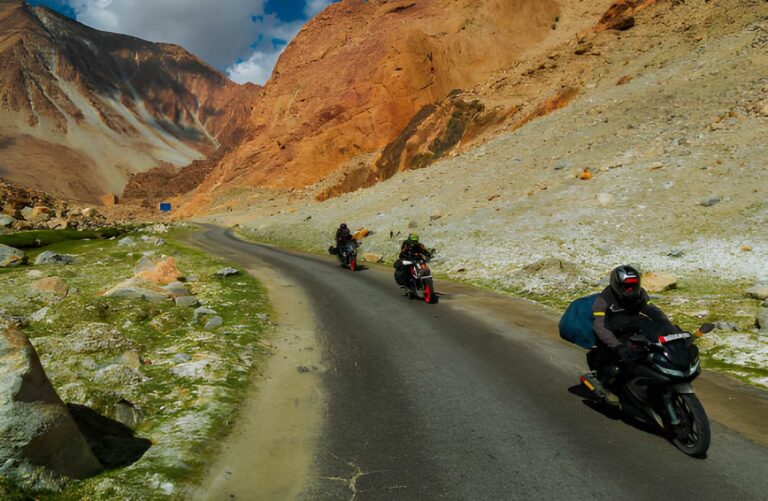
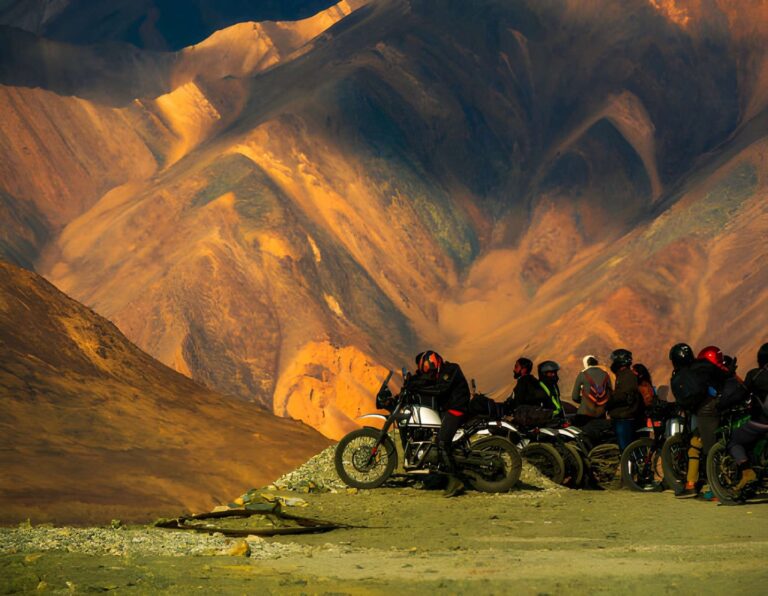
A motorcycle expedition allows you to experience Ladakh’s:
- High mountain passes
- Remote roads
- Pangong Lake
- Nubra Valley
- Tso Moriri
- Hanle
- Changthang
- Dramatic Himalayan landscapes
A snow leopard expedition is slower and more focused on:
- Wildlife tracking
- Walking
- Observation
- Photography
- Patience
- Local naturalists
For travellers searching for Ladakh Motorcycle Tour Packages, a customised itinerary can potentially combine a motorcycle journey with a separate wildlife experience, depending on season, accessibility and current local regulations.
However, winter snow leopard tourism and conventional motorcycle touring do not operate under identical conditions. The mainstream biking season is generally centred on the warmer months, while dedicated snow leopard tours primarily operate from November to April.
Therefore, it is better to design your itinerary around your primary objective.
How a Local Leh Ladakh Tour Operator Can Help
A snow leopard expedition requires considerably more local knowledge than a regular sightseeing trip.
A reliable Leh Ladakh Tour Operator can help coordinate:
- Airport transfers
- Acclimatisation stays
- Wildlife guides
- Local transportation
- Homestays
- Winter accommodation
- Trek arrangements
- Route planning
- Local permissions
- Weather updates
- Emergency support
- Motorcycle itineraries for other seasons
Ladakh’s official tourism platform also provides verified tourism information and lists tour operators and accommodations as part of its visitor services.
For a remote wildlife experience, choosing a locally experienced operator is particularly valuable because conditions can change quickly.
What Makes a Snow Leopard Experience Different?
A regular Ladakh trip might be about where you go.
A snow leopard expedition is about what you discover.
You may wake before sunrise, walk through freezing temperatures, climb a ridge and spend hours scanning a mountainside.
You may see nothing.
Or you may suddenly notice two eyes looking back at you from a distant slope.
That uncertainty is exactly what makes the snow leopard so fascinating.
There is no enclosure.
No predictable schedule.
No guarantee.
Only the mountains, the landscape and one of the world’s most elusive predators.
Experiencing the Elusive Majesty of Ladakh’s Snow Leopards
Ladakh is famous for its roads, passes, monasteries and lakes—but its wilderness deserves equal attention.
With an estimated 477 snow leopards, Ladakh holds the largest estimated population of the species in India.
The title Snow Leopard Capital of the World is therefore more than a tourism slogan. It reflects Ladakh’s importance as a core habitat and the region’s long-standing connection with snow leopard tourism.
From the rugged slopes of Hemis and Rumbak to the remote landscapes of Ulley and the vast Changthang Plateau, Ladakh offers travellers a rare opportunity to experience Himalayan wildlife in its natural environment.
And the best part?
You don’t need to chase the wild.
You simply need to enter its world, slow down and let the mountains reveal what they are hiding.
Plan Your Ladakh Adventure with Endeavour Ladakh
If you are looking beyond the usual sightseeing itinerary and want to experience the diverse sides of Ladakh, Endeavour Ladakh can help you plan a journey around your interests.
Whether you are looking for Ladakh Bike Trip Packages, customised Leh Ladakh Packages, or want to combine an adventure journey with Ladakh’s incredible wildlife, a thoughtfully planned itinerary can make your Himalayan experience more rewarding.
From iconic motorcycle routes to remote valleys and high-altitude landscapes, Ladakh has something for every kind of explorer.
Your Ladakh adventure doesn’t have to end at the next mountain pass. Sometimes, the real adventure begins when you stop riding and start watching.
Frequently Asked Questions About Snow Leopards in Ladakh
Is Ladakh really the Snow Leopard Capital of the World?
Yes. Ladakh’s official wildlife-tourism regulations describe Ladakh as the Snow Leopard Capital of the World and note that snow leopard tours have been operating in the region for more than three decades.
How many snow leopards are there in Ladakh?
The Snow Leopard Population Assessment in India 2024 estimates approximately 477 snow leopards in Ladakh and 718 across India.
What is the best month to see snow leopards in Ladakh?
The main snow leopard tourism season is November to April, according to Ladakh’s wildlife-tour regulations.
Can I guarantee a snow leopard sighting?
No. Snow leopards are wild, elusive animals, and sightings can never be guaranteed.
Where is the best place to see a snow leopard in Ladakh?
Hemis National Park and the Rumbak Valley are among the best-known areas associated with snow leopard tourism. Ulley Valley and other suitable wildlife habitats are also explored by wildlife enthusiasts.
Can I see snow leopards near Leh?
Some wildlife destinations are accessible from Leh with appropriate planning, but snow leopard sightings generally require travelling to suitable habitat and spending sufficient time with experienced trackers.
Do I need a guide for a snow leopard trek?
A knowledgeable local wildlife guide or naturalist is strongly recommended. Ladakh’s wildlife-tour regulations specify minimum experience requirements for guides and wildlife spotters.
Can I combine a snow leopard trip with Ladakh Bike Trip Packages?
Yes, but the seasons need to be considered carefully. Dedicated snow leopard tours primarily operate in winter, while most motorcycle touring takes place during the warmer travel season. A customised itinerary can combine different experiences where conditions and regulations permit.
Is Ladakh safe for a winter wildlife trip?
Winter travel requires careful preparation because of extreme cold, snow and limited facilities in remote areas. Proper acclimatisation and experienced local support are essential. Ladakh Tourism currently advises a minimum 48-hour acclimatisation period after arrival in Leh before travelling to higher elevations.
Also Read: India’s First High-Altitude Wildlife Safari in Ladakh: What Travellers Should Know