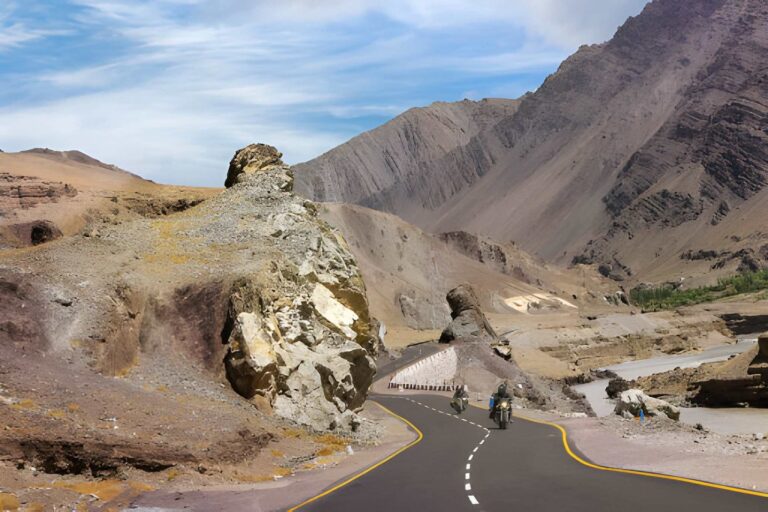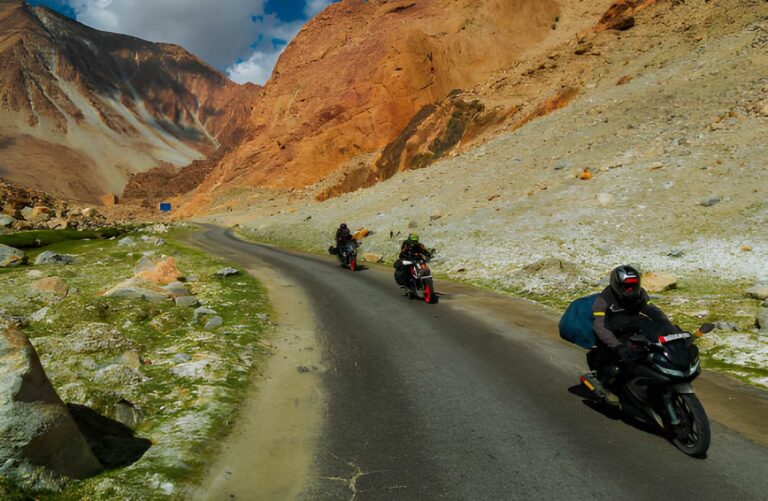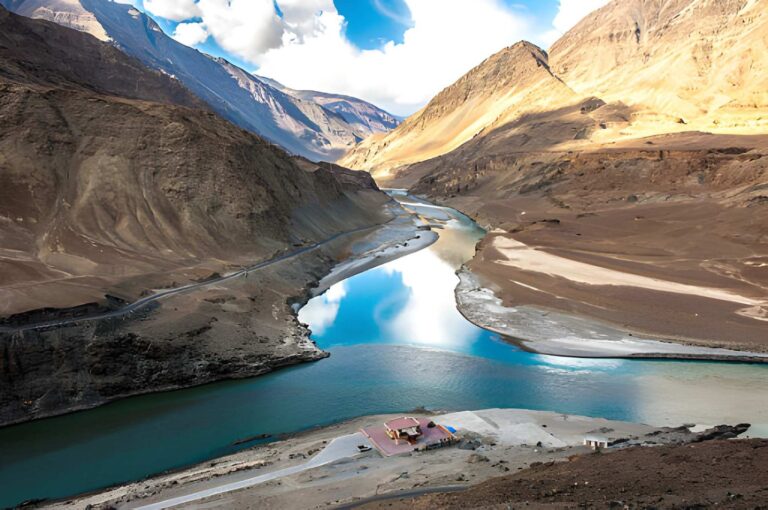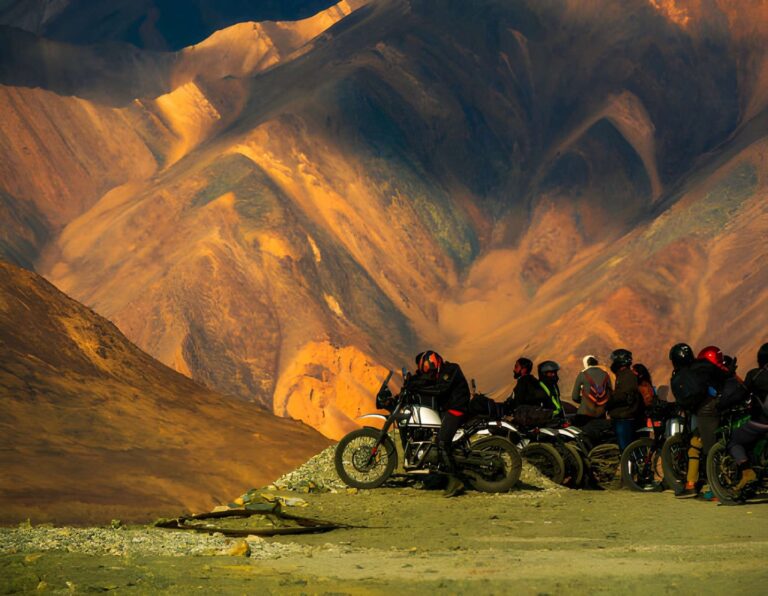
Ladakh may soon offer travellers a completely new way to experience the Himalayas.
Known for its dramatic mountain passes, turquoise lakes, ancient monasteries and legendary motorcycle routes, Ladakh is now preparing to add another attraction to its tourism landscape: India’s first high-altitude wildlife safari.
The proposed initiative is expected to focus on snow leopard sightings, high-altitude bird watching and guided wildlife experiences in some of Ladakh’s remote landscapes. More importantly, the project is being positioned around responsible tourism, conservation and reducing uncontrolled off-road activity in fragile wildlife habitats.
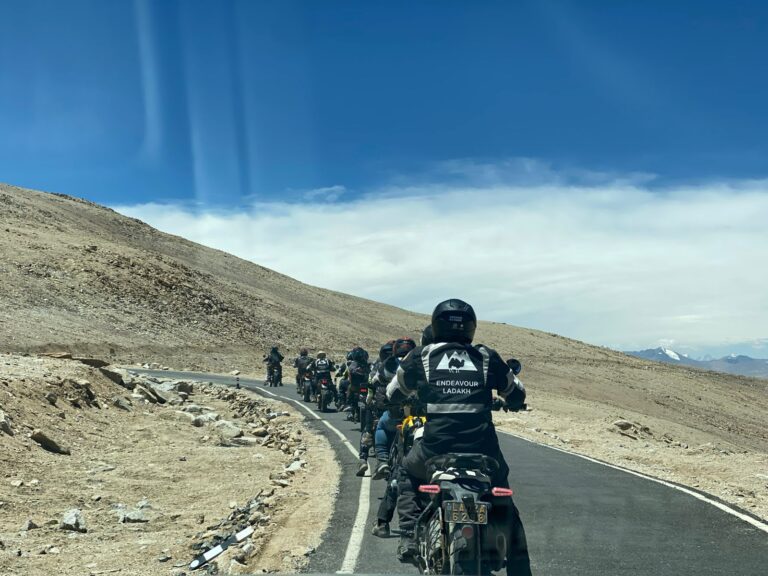
For travellers planning a Ladakh Motorcycle Tour, this could open up an entirely different side of the region—one that combines adventure, wildlife, photography and Himalayan conservation.
But what exactly is the new wildlife safari, when is it expected to begin, where could you experience it, and can it be combined with a Leh Ladakh bike trip?
Here is everything travellers should know.
What Is India’s First High-Altitude Wildlife Safari in Ladakh?
The proposed high-altitude wildlife safari is a new tourism initiative designed around wildlife experiences in Ladakh’s unique cold-desert, high-altitude ecosystem.
Unlike traditional wildlife safaris through forests and grasslands, a Ladakh safari would take travellers into rugged Himalayan terrain where animals have adapted to freezing temperatures, limited vegetation, steep mountains and extremely high elevations.
The experience is expected to focus on:
- Snow leopard tracking and observation
- High-altitude bird watching
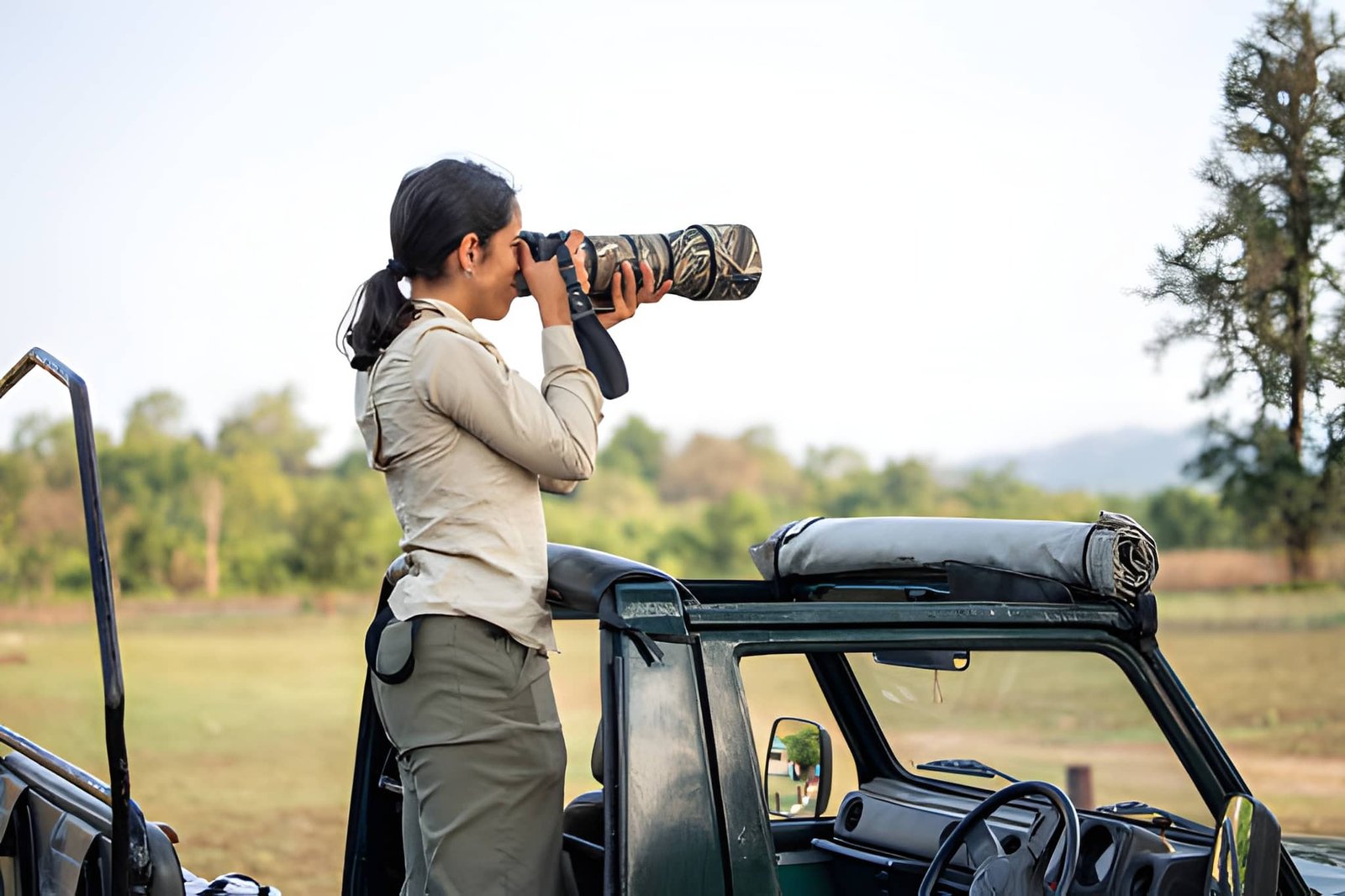
- Wildlife photography
- Guided nature trails
- Wildlife tracking
- Conservation awareness
- Responsible tourism
- Local community participation
The initiative is also intended to encourage visitors to use designated routes instead of independently driving into sensitive wildlife areas.
That makes the project more than just another sightseeing attraction. It could become an important step towards wildlife tourism in Ladakh while protecting its fragile ecosystem.
Why Is Ladakh Perfect for a High-Altitude Wildlife Safari?
Ladakh’s cold desert may appear barren at first, but its high-altitude landscapes support a remarkable variety of wildlife.
The region includes several important protected areas, including Hemis High Altitude National Park, Changthang High Altitude Wildlife Sanctuary and Karakoram (Nubra-Shayok) Wildlife Sanctuary.
These landscapes provide habitat for some of the Himalayas’ most fascinating animals and birds.
Snow Leopard: The Star of Ladakh Wildlife
The snow leopard is likely to be the biggest attraction for wildlife enthusiasts visiting Ladakh.
This elusive big cat is exceptionally well camouflaged against rocky mountain slopes and is notoriously difficult to spot. Even experienced trackers may spend hours searching before getting a glimpse.
That is what makes a snow leopard safari in Ladakh different from a conventional wildlife safari.
There is no fixed route where an animal appears on schedule. Instead, travellers join a wildlife expedition involving tracking, observation and patience.
A sighting should therefore always be considered a bonus—not a guarantee.
High-Altitude Himalayan Birds
Ladakh is also an important destination for birdwatchers.
High-altitude wetlands, valleys and lakes attract a variety of resident and migratory birds depending on the season.
The development of dedicated bird-watching trails could make Ladakh increasingly attractive to photographers and birding enthusiasts who want to explore the Himalayan environment beyond its famous tourist attractions.
Wild Yak
The wild yak is another iconic animal associated with the high-altitude landscapes of Ladakh and the wider Tibetan Plateau.
Its large body, thick coat and ability to survive extreme conditions make it one of the most impressive mammals found in this part of the Himalayas.
Himalayan Blue Sheep
The Himalayan blue sheep, or bharal, is well adapted to the steep and rocky terrain of the region.
It is also an important part of the high-altitude ecosystem and forms part of the natural food chain that supports predators such as the snow leopard.
Kiang
The kiang, or Tibetan wild ass, is particularly associated with the open landscapes of eastern Ladakh and the Changthang region.
Its distinctive appearance and ability to survive in harsh high-altitude conditions make it one of Ladakh’s most recognisable wild animals.
Where Can You Experience Wildlife in Ladakh?
Ladakh does not have one conventional safari park where wildlife is concentrated in a single location.
Instead, wildlife experiences are spread across large high-altitude landscapes.
Some of the most important areas include:
Hemis High Altitude National Park
Hemis National Park is one of Ladakh’s best-known wildlife areas and is particularly associated with snow leopard habitat.
Its rugged mountains, rocky slopes and narrow valleys create ideal conditions for high-altitude wildlife.
For travellers specifically interested in snow leopard tracking, the Hemis landscape is one of the most important areas to know about.
Changthang Wildlife Sanctuary
Changthang is famous for its vast open landscapes, high-altitude lakes and nomadic culture.
The region is also home to wildlife including kiang and high-altitude bird species.
Its remote environment makes it particularly interesting for travellers who want to combine wildlife, landscapes and off-the-beaten-path experiences.
Tso Kar Basin
Tso Kar is an important high-altitude wetland ecosystem.
Its combination of salt flats, wetlands and surrounding mountains creates a landscape very different from the more popular Pangong Lake route.
For photographers and birdwatchers, Tso Kar can be an especially rewarding stop.
Nubra-Shayok Region
The Karakoram (Nubra-Shayok) Wildlife Sanctuary covers another important wildlife landscape in Ladakh.
The region combines dramatic valleys, high mountain terrain and remote environments, making it an important part of Ladakh’s wider conservation landscape.
When Will the Ladakh Wildlife Safari Start?
Current reports indicate that the proposed high-altitude wildlife safari is expected to begin in winter 2026, with an emphasis on snow leopard and high-altitude bird-watching experiences.
Winter is particularly significant for snow leopard tourism because the species can be tracked in the snow-covered Himalayan landscape.
However, travellers should not assume that the safari will operate like a conventional wildlife park with fixed timings and guaranteed access.
Weather, road conditions, wildlife movement, permissions and local regulations can all affect the experience.
If you are planning a dedicated wildlife trip to Ladakh, check the latest information from the relevant tourism and forest authorities before finalising your itinerary.
Can You Guarantee a Snow Leopard Sighting in Ladakh?
No.
This is perhaps the most important thing to understand before booking a Ladakh snow leopard tour.
Snow leopards are wild, solitary and extremely well camouflaged. Even professional trackers cannot guarantee that visitors will see one.
A genuine wildlife experience should therefore focus on:
- Tracking and observation
- Understanding wildlife behaviour
- Photography
- Conservation
- The Himalayan landscape
- The overall experience of searching for wildlife
Be cautious of any operator promising a “100% guaranteed snow leopard sighting.”
The uncertainty is part of what makes a snow leopard expedition exciting.
How Will the New Safari Support Wildlife Conservation?
Ladakh’s high-altitude ecosystem is extremely fragile.
Vegetation grows slowly, wildlife habitats are sensitive to disturbance, and uncontrolled vehicle movement can negatively affect both animals and their environment.
One of the proposed objectives of the new safari initiative is therefore to encourage visitors to follow designated routes and responsible tourism practices instead of independently driving into sensitive areas.
The focus on reducing illegal off-roading and wildlife disturbance could help create a better balance between tourism and conservation.
For visitors, this means the future of wildlife tourism in Ladakh should be about experiencing the landscape without damaging it.
Can You Combine a Wildlife Experience with a Ladakh Bike Trip?
Yes, potentially—but the itinerary needs to be planned around the season, road conditions, altitude and current permissions.
A conventional Ladakh Bike Trip may include destinations such as:
- Leh
- Nubra Valley
- Khardung La
- Pangong Lake
- Tso Moriri
- Hanle
- Umling La
- Changthang
Travellers interested in wildlife could potentially extend their journey towards destinations such as Changthang, Tso Kar, Tso Moriri and Hanle, depending on accessibility and prevailing regulations.
For example, a customised route could look like:
Leh → Nubra Valley → Pangong → Changthang → Tso Kar → Tso Moriri → Hanle → Leh
However, this should never be treated as a fixed route.
Road conditions, acclimatisation requirements, permits, weather and wildlife-area restrictions should determine the final itinerary.
Important: Wildlife Areas Are Not Off-Roading Zones
Motorcycle travellers should be especially careful around sensitive wildlife habitats.
Avoid:
- Unnecessary off-roading
- Chasing animals
- Excessive noise
- Approaching wildlife closely
- Blocking animal movement
- Feeding wild animals
The goal should be to experience Ladakh’s wilderness—not interfere with it.
Why Choose a Local Leh Ladakh Tour Operator?
Planning remote high-altitude routes is different from booking a standard holiday.
Ladakh can involve:
- Rapidly changing weather
- High-altitude roads
- Limited fuel availability
- Long distances between settlements
- Changing road conditions
- Permit requirements
- Limited communication in remote areas
A reliable local Leh Ladakh Tour Operator can help travellers plan around these challenges.
Depending on the itinerary, local support can include:
- Route planning
- Accommodation
- Motorcycle arrangements
- Local guides
- Permits and permissions
- Backup support
- Weather and road-condition updates
- Emergency coordination
- Responsible wildlife practices
For travellers exploring remote areas, local knowledge can be particularly valuable.
Best Time for Wildlife Experiences in Ladakh
The best time depends on the type of experience you want.
Summer: Best for Conventional Ladakh Road Trips
Summer is traditionally the main travel season for Leh Ladakh road trips.
Popular motorcycle routes are generally more accessible, making this period suitable for travellers who want to explore destinations such as Nubra, Pangong, Tso Moriri and the high mountain passes.
Autumn: Fewer Crowds and Dramatic Landscapes
September and early October can offer beautiful landscapes and fewer visitors on some routes compared with peak summer.
However, travellers should always check current road and weather conditions before travelling.
Winter: Snow Leopard and Wildlife Experiences
Winter could become particularly important for Ladakh’s emerging wildlife tourism.
The proposed high-altitude wildlife safari is expected to begin in winter 2026, potentially giving travellers a new reason to visit Ladakh during a traditionally quieter tourism season.
Winter travel, however, requires considerably more preparation because of freezing temperatures, snow and challenging road conditions.
What Should You Carry for a Ladakh Wildlife Expedition?
If you are combining wildlife exploration with a motorcycle trip, preparation becomes even more important.
Consider carrying:
- Thermal innerwear
- Multiple warm layers
- Waterproof outer layers
- Warm gloves
- Woollen or thermal socks
- Sunglasses
- Sunscreen
- Lip balm and moisturiser
- Personal medication
- Reusable water bottle
- Power bank
- Camera with spare batteries
- Binoculars
- Headlamp
- Basic emergency supplies
Motorcycle travellers should also use proper riding gear, including a protective jacket, riding gloves, riding boots and weather-appropriate equipment.
For winter travel, clothing should be chosen for extreme cold rather than simply cool weather.
Responsible Wildlife Tourism: Rules Every Traveller Should Follow
The success of high-altitude wildlife tourism will ultimately depend on how responsibly visitors behave.
Don’t Chase Animals
Never follow, surround or deliberately approach a wild animal to get a photograph.
Stay on Designated Routes
Avoid unnecessary off-roading, particularly inside protected or environmentally sensitive areas.
Keep Noise to a Minimum
Avoid loud music, unnecessary honking and shouting around wildlife habitats.
Never Feed Wildlife
Feeding wild animals can alter their natural behaviour and create long-term ecological problems.
Respect Local Communities
Many remote parts of Ladakh are home to communities whose livelihoods and traditions are closely connected to the landscape.
Respect local customs, settlements and access restrictions.
Follow Local Regulations
Wildlife tourism rules can change according to season, location and conservation requirements.
Always follow instructions from local authorities, guides and wildlife professionals.
What Does the New Wildlife Safari Mean for Ladakh Tourism?
Ladakh has traditionally been marketed around its high mountain passes, lakes, monasteries, valleys and motorcycle adventures.
The introduction of a high-altitude wildlife safari could broaden that image.
Instead of seeing Ladakh only as a destination for road trips, travellers could increasingly experience it as a destination for:
- Wildlife
- Photography
- Bird watching
- Conservation
- Himalayan landscapes
- Local culture
- Adventure
For travellers searching for Leh Ladakh Packages, this creates another opportunity to build an itinerary around personal interests rather than simply following the standard tourist circuit.
For motorcycle enthusiasts, combining a bike journey with wildlife exploration could create a very different Himalayan adventure.
Plan a Wildlife & Adventure-Focused Ladakh Trip
A Ladakh itinerary works best when it is designed around your travel season, route, altitude, interests and available time.
Whether you are looking for Ladakh Bike Trip Packages, a customised motorcycle expedition or a complete Leh Ladakh holiday, Endeavour Ladakh can help design an itinerary around the destinations and experiences you want to explore.
As a local Leh-based travel company, Endeavour Ladakh focuses on journeys across Ladakh’s iconic roads, remote valleys and high-altitude destinations.
If snow leopards, remote landscapes and adventure are on your bucket list, the proposed high-altitude wildlife safari could give you another reason to explore Ladakh.
Ladakh is not just about crossing high passes. It is about discovering what survives beyond them.
Frequently Asked Questions
What is India’s first high-altitude wildlife safari?
It is a proposed wildlife tourism initiative in Ladakh focused on experiences such as snow leopard tracking, high-altitude bird watching and guided wildlife exploration, while promoting responsible tourism and conservation.
When will the Ladakh wildlife safari start?
Current reports indicate that it is expected to begin in winter 2026. Travellers should confirm operational dates, access rules and current regulations before making travel arrangements.
Can I see a snow leopard in Ladakh?
Yes. Ladakh is one of India’s important snow leopard landscapes. However, sightings are never guaranteed because snow leopards are elusive and naturally well camouflaged.
Where can I experience wildlife in Ladakh?
Important wildlife areas include Hemis High Altitude National Park, Changthang Wildlife Sanctuary, Tso Kar and the Karakoram (Nubra-Shayok) Wildlife Sanctuary.
Can I combine a wildlife experience with a Ladakh bike trip?
Potentially, yes. Depending on the season, road conditions, permissions and accessibility, wildlife-focused destinations can be incorporated into a customised Ladakh motorcycle itinerary.
Is winter a good time for a Ladakh wildlife trip?
Winter could be particularly interesting for travellers interested in snow leopard experiences. However, temperatures, snow and road conditions can make travel considerably more challenging.
Should I choose a local Leh Ladakh Tour Operator?
For remote, high-altitude routes, local expertise can be useful for route planning, accommodation, road-condition updates, permits, logistics and emergency support.
What are the best Leh Ladakh Packages for wildlife and adventure?
There is no single best package for everyone. Travellers interested in wildlife can consider customised itineraries covering areas such as Changthang, Tso Kar, Tso Moriri and Hanle, subject to current accessibility and regulations.