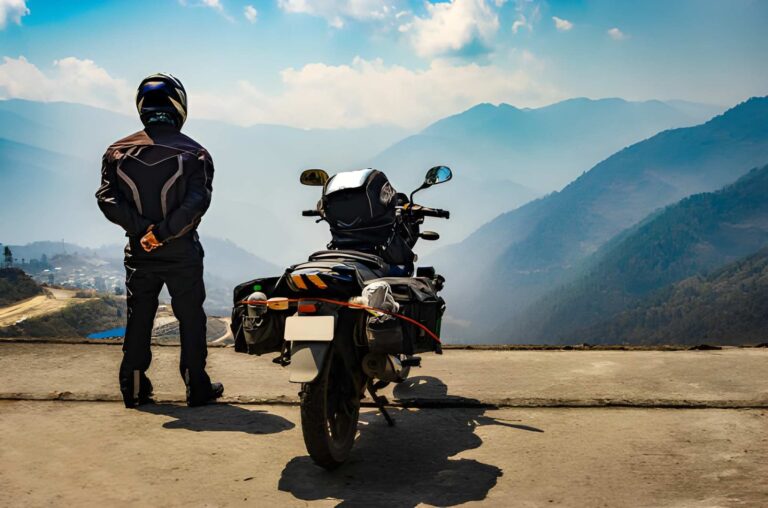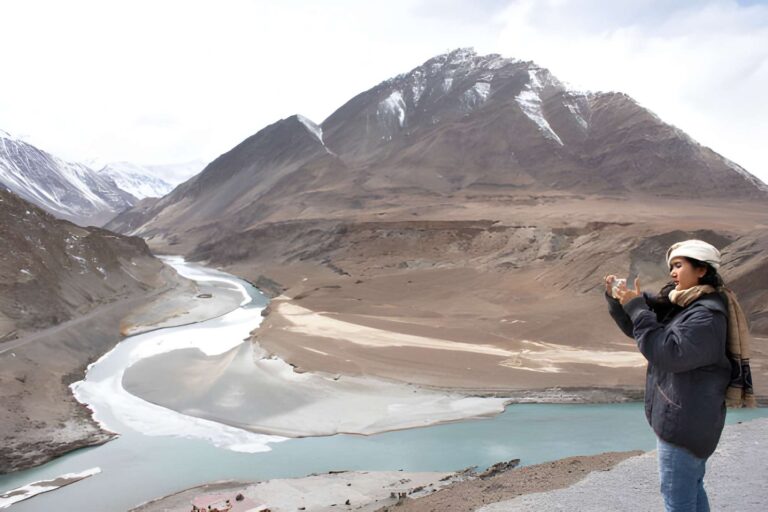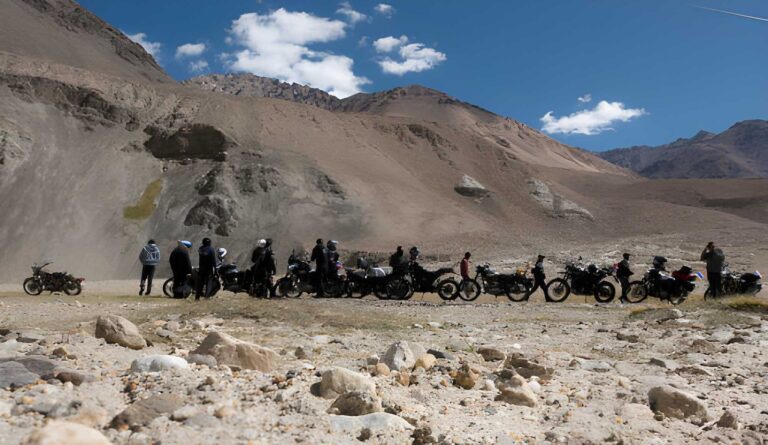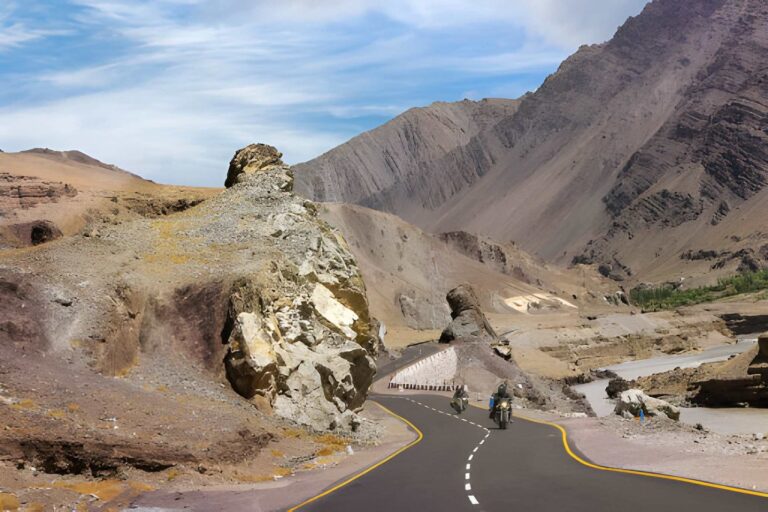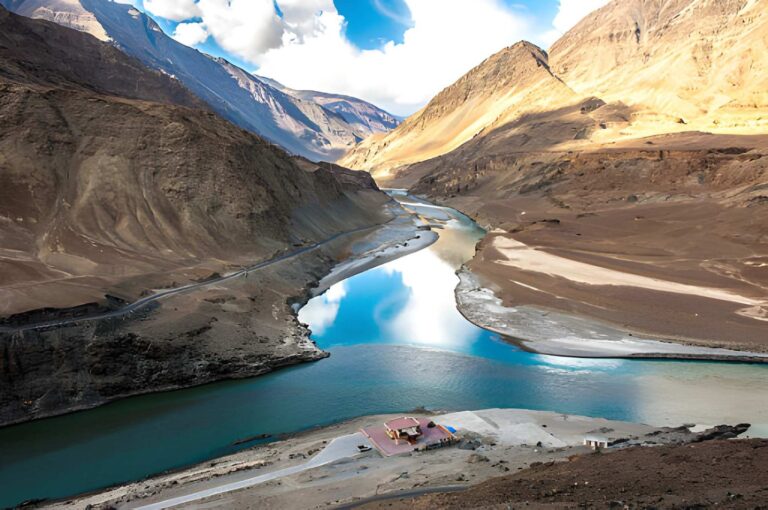
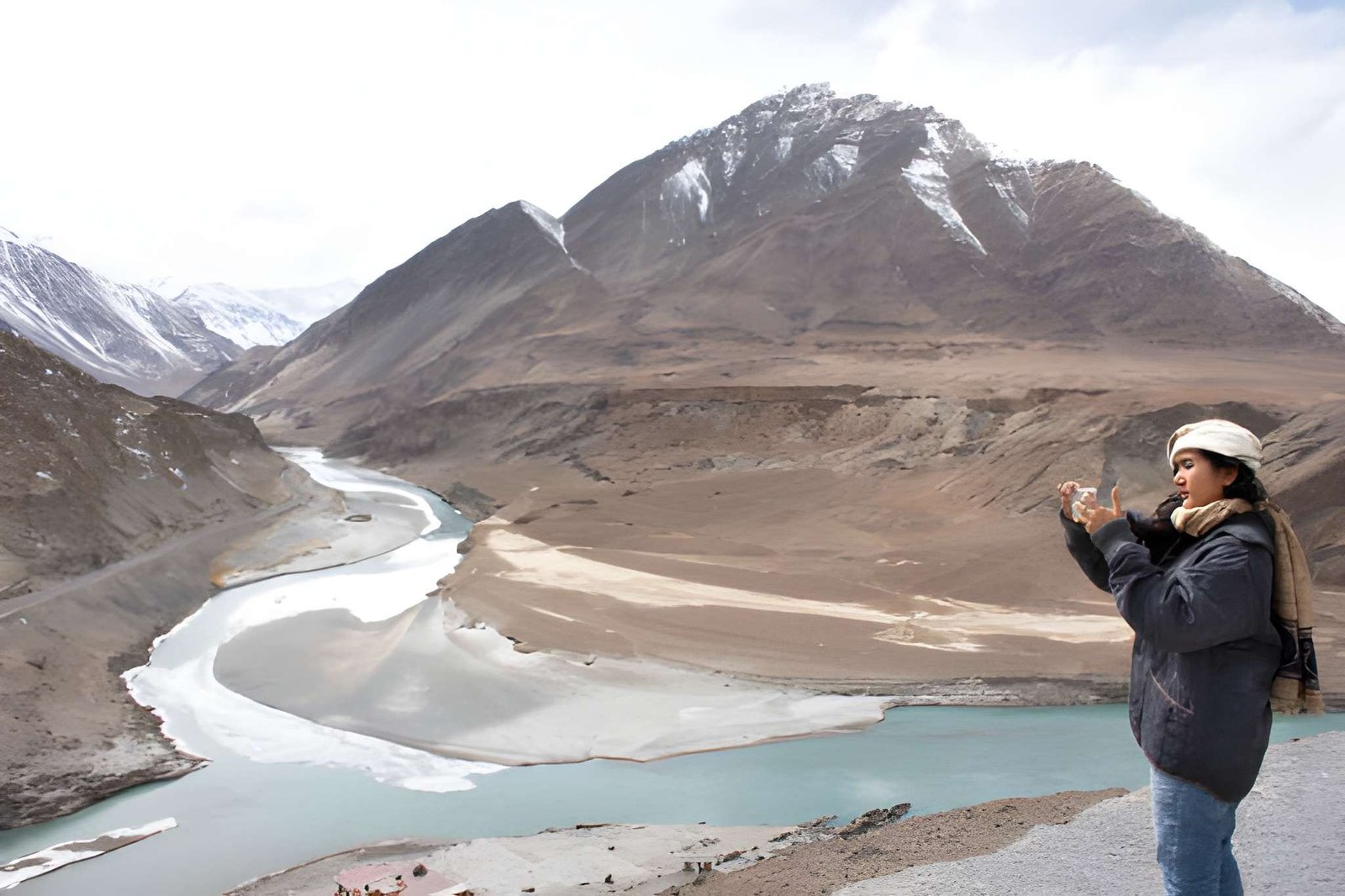
Imagine riding through dramatic Himalayan mountain passes, exploring ancient monasteries and watching the sun set over Pangong Lake. Ladakh offers an unforgettable experience for international travellers, whether you are planning a motorcycle expedition, a photography holiday or a cultural journey.
But before travelling from the UK, USA, Australia or Europe, you may be wondering: Is Ladakh safe for foreign tourists?
Ladakh can be explored with appropriate preparation, but its high altitude, remote mountain roads, changing weather and limited medical facilities in some areas require careful planning. Understanding these challenges before departure can help you make informed decisions and prepare for a more comfortable journey.
This guide explains the main safety considerations for foreign visitors, including altitude sickness, road conditions, travel insurance, permits and the benefits of travelling with a local tour operator.
1. Is Ladakh Safe for International Travellers?
Ladakh attracts international visitors with its mountain landscapes, Buddhist monasteries, high-altitude lakes and opportunities for adventure travel. However, the region’s environment is very different from that of a typical city holiday.
For most itineraries, the main safety considerations are related to altitude, weather, transport and access to services in remote areas.
Before planning your journey, consider the following factors:
- High altitude: Your body needs time to adjust to the reduced oxygen availability at higher elevations.
- Mountain roads: Uneven surfaces, steep gradients, landslides and temporary closures can affect travel.
- Remote locations: Medical facilities, fuel stations and mobile connectivity may be limited outside major settlements.
- Changing weather: Cold temperatures, strong winds and sudden weather changes can disrupt travel plans.
- Travel regulations: Some destinations may have specific entry requirements or permit restrictions.
Preparation, a realistic itinerary and flexibility are essential for reducing avoidable risks. Check official travel advisories before departure and make sure your plans reflect current local conditions.
2. Altitude Sickness in Ladakh: What Foreign Tourists Need to Know
Altitude is one of the most important safety considerations when visiting Ladakh.
Leh sits at approximately 3,500 metres (11,500 feet) above sea level. Some popular lakes, valleys and mountain passes are situated considerably higher, making rapid ascent a potential health risk for visitors arriving from lower elevations.
What Is Acute Mountain Sickness?
Acute Mountain Sickness (AMS) can develop when your body has insufficient time to adjust to high altitude. It can affect travellers of different ages and fitness levels, including people who exercise regularly.
Common symptoms include:
- Headache
- Nausea or reduced appetite
- Dizziness
- Unusual tiredness
- Difficulty sleeping
Symptoms should never be dismissed simply because you are young or physically fit.
How Can You Reduce the Risk of Altitude Sickness?
The official Ladakh tourism advisory requires tourists arriving in Leh to allow at least 48 hours of acclimatisation and complete rest before travelling to higher-altitude areas. Check the latest guidance before your trip.
During this period:
- Keep physical activity light.
- Avoid alcohol and sedatives.
- Drink fluids regularly without forcing excessive amounts.
- Avoid strenuous exercise and rapid ascent.
- Monitor your symptoms and inform your travel companions if you feel unwell.
If symptoms develop, do not continue ascending. Seek medical advice before travelling to a higher elevation.
Severe or worsening headache, repeated vomiting, confusion, loss of coordination or breathlessness at rest may indicate a serious altitude-related illness. Seek urgent medical assistance and arrange descent when medically appropriate and safe.
If you have a pre-existing heart, lung or other medical condition, consult a healthcare professional before travelling. Ask whether any additional precautions or medication are appropriate for your circumstances.
Important: Acclimatisation is a health precaution, not a guarantee against altitude sickness. Your itinerary should allow extra time if you need to rest or seek medical attention.
For current information, consult the official Ladakh Tourism travel advisory.
3. Are the Roads in Ladakh Safe for Foreign Tourists?
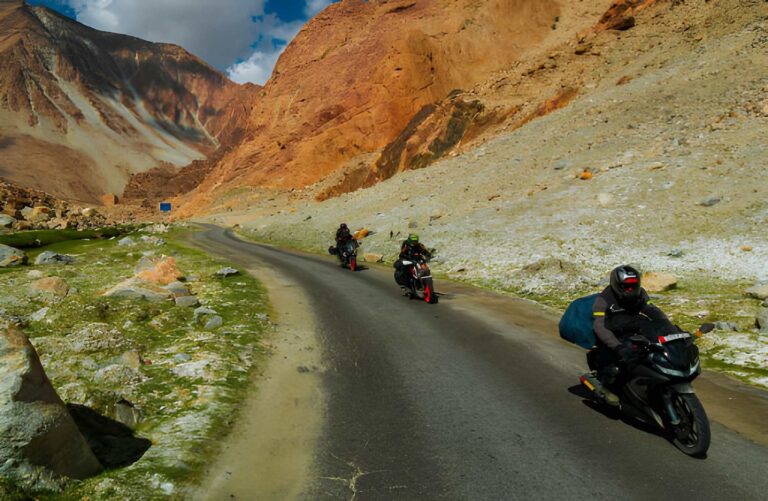
Ladakh’s mountain roads are a major attraction for adventure travellers, particularly those planning a Himalayan motorcycle expedition. However, riding and driving in the region require care and appropriate experience.
Depending on the route and season, you may encounter:
- Narrow mountain roads with steep drops
- Gravel, loose stones and uneven surfaces
- Sharp bends and steep gradients
- Water crossings and muddy sections
- Landslide debris or road maintenance
- Long stretches with limited fuel, accommodation or mechanical assistance
Road and weather conditions can change quickly. A route that was accessible earlier in the day may become difficult or temporarily impassable following adverse weather.
How to Prepare for Mountain Roads
Check current road conditions and weather advisories before setting out. Allow sufficient time for each journey and avoid relying entirely on estimated driving times.
If you are planning a motorcycle tour in Ladakh, consider your actual riding experience rather than your confidence on ordinary roads.
Choose a motorcycle that you can control comfortably, wear suitable protective equipment and avoid riding beyond your abilities. Be particularly cautious on loose gravel, steep descents and unfamiliar mountain bends.
International riders who are unfamiliar with Himalayan terrain may find a guided expedition helpful for route planning, local knowledge and logistical support.
However, a guide or support vehicle cannot eliminate every road risk. Safe riding, appropriate equipment and the willingness to change plans remain essential.
4. Ladakh Weather and Cold: How Should You Prepare?
Ladakh is known for clear skies and dramatic mountain scenery, but the weather can vary considerably by season, altitude and location.
Even during the main summer travel season, temperatures can drop significantly at night and on exposed mountain passes. Conditions in winter can be much more severe.
Depending on your itinerary, you may experience:
- Strong sunlight and ultraviolet exposure
- Cold winds at high-altitude passes
- Rain, snow or icy surfaces
- Large differences between daytime and nighttime temperatures
- Weather-related road closures and travel delays
What Should You Pack for Ladakh?
Layered clothing allows you to adjust to changing conditions throughout the day.
Consider packing:
- Thermal base layers
- A warm insulating jacket
- A windproof and waterproof outer layer
- Warm gloves, socks and headwear
- Comfortable footwear suitable for your activities
- Sunglasses and high-SPF sunscreen
Motorcycle riders should also carry protective riding gear appropriate for cold and wet conditions.
Check the forecast before travelling to higher elevations. If severe weather affects your route, delay departure or revise your itinerary rather than taking unnecessary risks.
5. Medical Facilities and Emergency Support in Ladakh
Medical services are available in Leh, but access to healthcare becomes more limited in some remote valleys and high-altitude destinations.
This is particularly important for itineraries covering areas such as Hanle, Changthang and Zanskar, where reaching a medical facility may take considerable time.
A minor illness or injury can become more difficult to manage when you are far from medical assistance.
What Should You Arrange Before Departure?
Before travelling to Ladakh, make sure you have:
- Suitable travel insurance for your planned activities
- Necessary personal medication
- A basic first-aid kit
- Emergency contact details
- A way to share your location and itinerary
- A clear understanding of how to obtain medical assistance
If you book a guided motorcycle expedition, ask whether the package includes first-aid equipment, mechanical assistance, a backup vehicle and emergency procedures.
You should also understand what happens if a rider becomes unwell, a motorcycle breaks down or the group needs to change its route.
Do not assume that oxygen equipment or a support vehicle guarantees immediate medical evacuation. Confirm the actual arrangements and check whether your insurance covers emergency treatment and evacuation from remote or high-altitude areas.
6. Mobile Network and Internet Connectivity in Remote Ladakh
Travellers from the UK, USA, Australia and Europe may be accustomed to reliable mobile data, online navigation and continuous messaging access. In Ladakh, connectivity can be unreliable or unavailable in some remote areas.
This can affect navigation, communication with accommodation providers and access to emergency information.
How to Prepare for Limited Connectivity
Download offline maps. Save maps for your planned routes before leaving areas with reliable internet access.
Share your itinerary. Let someone you trust know where you intend to travel and when you expect to arrive.
Keep essential information offline. Save accommodation details, booking confirmations and important telephone numbers on your phone.
Carry a power bank. Cold temperatures and heavy navigation use can affect battery performance.
Check network availability. Ask your accommodation provider or local tour operator about connectivity in the destinations you plan to visit.
For longer motorcycle expeditions, ask how the group communicates when mobile networks are unavailable.
7. Is Ladakh Safe for Solo Travellers and Solo Female Travellers?
Ladakh can appeal to solo travellers who want to explore local culture, mountain landscapes and remote destinations independently.
As with any destination, your experience will depend on your itinerary, preparation, transport arrangements and awareness of local conditions.
Solo travellers should consider the following precautions:
- Book accommodation with confirmed arrangements.
- Research transport options before travelling to remote areas.
- Share your itinerary with someone you trust.
- Check road conditions and weather before departure.
- Understand the relevant entry requirements for your destinations.
- Keep emergency contacts and essential information accessible offline.
Solo female travellers should also research accommodation, transport and current local conditions, choose service providers carefully and make travel decisions that reflect their own comfort and experience.
If you plan to ride a motorcycle through remote mountain regions, assess whether you have the necessary riding skills, equipment and breakdown contingency plan.
A guided group may be worth considering if you are unfamiliar with high-altitude riding or the practical demands of remote Himalayan travel. Independent travel can also be appropriate when your experience and itinerary support it.
8. Do Foreign Tourists Need Permits to Visit Ladakh?
Permit requirements are an important part of planning a trip to Ladakh, particularly if you intend to visit border-region or otherwise regulated destinations.
Requirements can vary according to nationality, passport type, destination and the rules in force at the time of travel. Foreign visitors should not assume that the same rules apply to every traveller or every destination.
Before finalising your itinerary, confirm:
- Whether your intended destinations require special permissions.
- Whether your nationality or passport type affects the requirements.
- Which identification and travel documents you must carry.
- Whether any current restrictions affect your planned route.
- Whether your tour operator can assist with the applicable arrangements.
If your itinerary includes destinations around Pangong Lake, Nubra Valley, Tso Moriri or other regulated areas, verify the current requirements for your specific travel circumstances rather than relying on older online guides.
For the latest information, consult the official Ladakh Administration website and the relevant district authorities. Confirm any outstanding requirements before departure.
9. Should You Explore Ladakh Independently or Book a Local Tour Operator?
Independent travel and guided tours can both be suitable ways to explore Ladakh. The right approach depends on your experience, budget, itinerary and comfort with organising transport and emergency arrangements.
Independent travellers have greater control over their schedules but must research and coordinate their own logistics. A guided tour may simplify planning by bringing selected services together in one package.
What Should You Compare Before Booking?
Route planning: Check whether the itinerary allows sufficient acclimatisation and realistic travel times.
Motorcycle arrangements: Confirm the motorcycle model, rental conditions, insurance responsibilities and what happens if a mechanical problem occurs.
Support services: Ask whether mechanical assistance, a backup vehicle and first-aid equipment are included.
Accommodation and meals: Review the actual inclusions rather than assuming every service is covered.
Emergency procedures: Understand how the operator responds to illness, severe weather, road closures or a breakdown.
Permits and documentation: Confirm which arrangements the operator handles and which remain your responsibility.
Cancellation terms: Review the policy for delays, route changes and circumstances that prevent the trip from proceeding as planned.
A guided tour does not automatically eliminate travel risks, and independent travel is not inherently unsafe. However, travellers unfamiliar with Ladakh may appreciate the local knowledge and logistical coordination offered by an experienced operator.
10. Planning a Ladakh Motorcycle Tour with Endeavour Ladakh
For international visitors, organising a Himalayan motorcycle expedition can involve more than choosing a route. You may need to arrange a suitable motorcycle, accommodation, local transport, permits where applicable and support for remote stretches.
Endeavour Ladakh is a Leh-based travel operator offering motorcycle expeditions across Ladakh and neighbouring Himalayan regions.
Depending on the selected package, arrangements may include:
- Royal Enfield Himalayan motorcycle options
- An experienced road captain
- Professional mechanical support
- Daily motorcycle inspections
- A backup vehicle
- Accommodation and specified meals
- Fuel according to the planned itinerary
- Assistance with applicable permits
- First-aid equipment and oxygen availability
Package inclusions vary, so confirm the exact services, exclusions, safety arrangements and emergency procedures before booking.
If you want to explore less-travelled Himalayan landscapes, you can learn more about the Zanskar Motorcycle Expedition or the Trans-Himalayan Spiti Valley to Ladakh Motorcycle Expedition.
Discuss your preferred route, travel dates, riding experience and support requirements with the team before deciding which expedition suits your plans.
11. Ladakh Travel Safety Checklist for Foreign Tourists
Use this checklist to review your preparations before leaving for Ladakh.
Health and Altitude Preparation
- Allow at least 48 hours of acclimatisation and rest in Leh before travelling to higher-altitude areas, in line with current official guidance.
- Learn the symptoms of altitude sickness and know when to seek medical assistance.
- Consult a healthcare professional if you have relevant medical concerns.
- Carry necessary personal medication.
- Avoid strenuous activity during the initial acclimatisation period.
Transport and Accommodation
- Confirm accommodation and transport bookings.
- Check current road conditions and weather advisories.
- Review motorcycle rental terms and responsibilities, if applicable.
- Keep accommodation details accessible offline.
- Allow flexibility for delays and route changes.
Insurance and Documentation
- Check your visa and travel documents.
- Confirm permit requirements for your intended destinations.
- Verify that your travel insurance covers your planned activities.
- Check coverage for medical treatment and emergency evacuation.
- Confirm motorcycle-related exclusions, including engine capacity and riding conditions, where applicable.
Remote Travel Preparation
- Download offline maps.
- Save emergency contact details.
- Carry suitable clothing, water and essential supplies.
- Share your itinerary with someone you trust.
- Understand the available support arrangements for remote travel.
- Avoid continuing into unsafe weather or road conditions.
Frequently Asked Questions About Ladakh Travel Safety
Is Ladakh safe for tourists from the UK, USA and Europe?
Ladakh is visited by international travellers, but the region requires careful preparation because of its high altitude, mountain roads and remote destinations. Check current travel advisories, allow time for acclimatisation and choose an itinerary appropriate for your experience.
How long should foreign tourists acclimatise in Leh?
The official Ladakh tourism advisory requires at least 48 hours of acclimatisation and complete rest after arriving in Leh before travelling to higher-altitude areas. Individual health needs may differ, and travellers who develop symptoms should seek medical advice before ascending further.
Is altitude sickness common in Ladakh?
Altitude sickness can affect travellers who ascend rapidly to high elevations. Physical fitness does not guarantee protection. Allow sufficient time for acclimatisation, recognise the symptoms and avoid further ascent if you become unwell.
Is Ladakh safe for solo female travellers?
Solo female travellers can plan trips to Ladakh, but should research accommodation, transport, current local conditions and their chosen destinations. Sharing an itinerary, using reputable service providers and preparing for remote travel can help reduce avoidable risks.
Do I need travel insurance for a Ladakh motorcycle tour?
Suitable travel insurance is strongly recommended. Confirm that your policy explicitly covers motorcycle touring, the motorcycle’s engine capacity, high-altitude travel, medical treatment and emergency evacuation where applicable. Read the exclusions before purchasing the policy.
Can foreign tourists visit remote areas of Ladakh independently?
Independent travel may be possible, but access requirements, transport options and local conditions vary by destination and traveller. Check the latest official regulations, road conditions and emergency arrangements before setting out.
What is the best time to visit Ladakh safely?
The suitable travel period depends on your route, preferred activities and tolerance for cold weather. Conditions can vary considerably between valleys and mountain passes, even during the main travel season. Check current road status and weather advisories before confirming your dates.
Final Thoughts
Ladakh offers extraordinary mountain scenery, distinctive cultural experiences and memorable Himalayan adventures. However, its altitude, weather, road conditions and remote geography mean that preparation should be an essential part of your journey.
Allow sufficient time for acclimatisation, choose routes that match your experience, understand your insurance coverage and remain flexible when conditions change. Check official travel advisories and permit requirements before departure.
For international visitors planning a motorcycle expedition, a locally organised tour may simplify logistics and provide useful support along the way. Take time to compare the itinerary, package inclusions and emergency arrangements before booking.
Planning your Himalayan adventure? Explore the motorcycle expeditions offered by Endeavour Ladakh and discuss your preferred route, travel dates and riding experience with the local team.
Travel responsibly, respect the mountains and choose an itinerary that puts preparation and safety first.